Beauty Contest Scandal: Twenty Camels Banned for Cosmetic Enhancement Violations
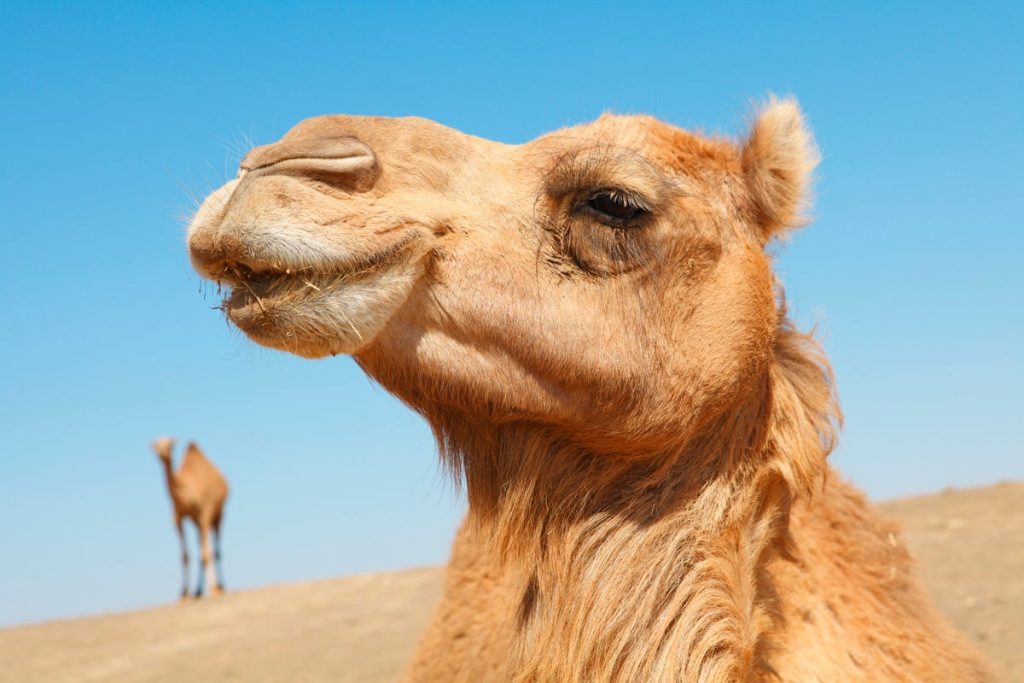
A prestigious camel beauty competition in Oman descended into controversy when officials expelled twenty participants after discovering their owners had artificially enhanced the animals using cosmetic procedures typically reserved for humans.
Veterinary officials conducting inspections at the 2026 Camel Beauty Show Festival in Al Musanaa uncovered widespread use of enhancement treatments designed to improve the animals’ appearance. The banned procedures included hyaluronic acid treatments for fuller lips, facial fillers around nasal areas, muscle-relaxing injections to create smoother facial features, and silicone-based substances to artificially inflate the distinctive humps.
Competition judges evaluate participants based on four primary characteristics: the quality and shine of their coat, neck length and musculature, facial features including eyelash length and lip fullness, and the size and definition of their humps. Animals displaying the most impressive combination of these traits typically claim victory.
The financial stakes surrounding these competitions are substantial, with winning animals commanding significantly higher market values and their owners receiving lucrative prize money, investment opportunities, and tourism benefits worth millions of dollars.
This incident reflects a growing trend of cosmetic manipulation within the camel breeding sector. Similar controversies have plagued other major events, including Saudi Arabia’s King Abdulaziz Camel Festival, which spans 40 days and offers prize pools exceeding $60 million. That competition has implemented strict regulations prohibiting artificial enhancement of lips, noses, heads, and other body parts.
Historical violations at the Saudi festival include twelve animals disqualified in 2018 for receiving muscle-relaxing treatments from horse breeding specialists, and forty participants banned in 2021 for allegedly having their noses artificially stretched. Some competitors have even resorted to using rubber bands to restrict blood flow and create unnaturally enlarged body parts.
Modern detection methods now employ sophisticated technology to identify tampering. Contestants undergo comprehensive examinations including visual inspections by specialists, X-ray imaging, and detailed testing of their heads, necks, and torsos.
Animal welfare advocates and veterinary professionals have condemned these enhancement practices, citing concerns about animal cruelty. The procedures can cause significant pain and potentially life-threatening complications including severe discomfort, infections, and tissue damage. Silicone substances pose additional risks as they may migrate throughout the body and create serious medical complications.
Festival organizers have pledged to intensify their efforts to eliminate fraudulent beautification practices and implement stricter penalties for those caught manipulating their animals’ appearance.