Why Clothes Shrink in the Wash and How to Prevent It
Disclosure / Affiliate Notice:
As an Amazon Associate I earn from qualifying purchases. Some links in this article may be affiliate links that earn me a commission at no extra cost to you.
There’s nothing quite like the sinking feeling of pulling your favorite shirt from the dryer, only to discover it now resembles something that belongs in a toddler’s wardrobe. I’ve witnessed this tragedy countless times, and frankly, most of it stems from a fundamental misunderstanding of how fabric actually behaves under stress. The real issue isn’t just carelessness—it’s that we treat all clothing the same way, ignoring the basic science of what makes different materials tick.
The Hidden Mechanics Behind Fabric Failure
What most people don’t realize is that shrinkage isn’t actually damage—it’s fabric returning to its natural state. During manufacturing, textile fibers get stretched and manipulated into submission, held in an artificial tension that creates the smooth, even appearance we expect from new clothes. Think of it like a rubber band that’s been held stretched for months; the moment you apply heat and moisture, those fibers are going to snap back to where they want to be.
Cotton exemplifies this perfectly. Those cellulose chains that make cotton so comfortable also make it incredibly responsive to temperature changes. When you blast a cotton garment with hot water, you’re essentially telling those molecular chains to relax and contract. The result? A shirt that might lose two full sizes in a single wash cycle. I’ve seen people lose entire wardrobes this way, particularly those who grew up with synthetic-heavy clothing and never learned to respect natural fibers.
Wool takes this drama to an entirely different level. The protein structure in wool fibers creates microscopic scales that literally lock together when exposed to heat and agitation. This isn’t just shrinkage—it’s felting, and it’s permanent. I’ve watched expensive wool sweaters transform into unwearable felt mats because someone thought they could treat wool like cotton. Once those scales interlock, no amount of stretching or professional intervention will restore the original size.
Why Your Washing Machine Is Often the Real Culprit
Here’s where most people go wrong: they focus entirely on water temperature while ignoring the mechanical violence happening inside their washing machine. The agitation cycle doesn’t just clean clothes—it physically manipulates fibers while they’re in their most vulnerable, heat-softened state. This combination of thermal stress and mechanical action creates the perfect conditions for catastrophic shrinkage.
In my experience, people who hand-wash their delicate items in lukewarm water rarely face severe shrinkage issues, even when using the same temperature that would destroy clothes in a machine. The difference lies in the gentle, controlled movement versus the aggressive tumbling action of mechanical washers. Your washing machine doesn’t distinguish between a delicate silk blouse and a sturdy pair of jeans—it treats everything with the same level of mechanical intensity.
What’s particularly frustrating is watching people blame water temperature alone when the real issue is often the wash cycle selection. Even cold water won’t save your clothes if you’re using a heavy-duty cycle that pounds them into submission for forty-five minutes. The duration and intensity of agitation matter just as much as temperature, yet most people never adjust these settings based on what they’re actually washing.

The Drying Dilemma That Everyone Overlooks
Most people survive the washing process only to destroy their clothes in the dryer, and this drives me absolutely crazy because it’s so preventable. Dryer heat doesn’t just remove moisture—it continues the shrinkage process that began in the washer, often with more devastating results. The combination of sustained high heat and continued tumbling creates conditions that can shrink clothes that made it through washing completely intact.
What I find most maddening is the widespread belief that automatic dryer cycles are somehow safer than timed cycles. These sensors don’t detect shrinkage—they detect moisture levels. By the time your clothes register as “dry” to the machine, they’ve often been subjected to extended heat exposure that causes additional fiber contraction. I’ve seen people lose perfectly good clothes because they trusted their dryer’s automatic settings instead of checking periodically and removing items while slightly damp.
The overdrying phenomenon particularly affects heavier fabrics like sweatshirts and jeans. These items retain moisture longer, meaning they spend more time in the high-heat environment even after lighter items would be considered dry. The extra bulk also makes shrinkage more noticeable—a heavy cotton hoodie that shrinks five percent looks dramatically different than a thin t-shirt with the same percentage of size loss.
Why Fabric Blends Create False Security
Here’s something that catches many people off-guard: blended fabrics can actually create more unpredictable shrinkage patterns than pure natural fibers. When you have a cotton-polyester blend, the cotton component wants to shrink while the polyester remains stable. This creates uneven tension across the fabric that can result in distorted shapes, puckering, or fabric that feels stiff and uncomfortable even if the overall size change seems minimal.
I’ve noticed that people often assume blended fabrics are safer because they contain synthetic fibers, but this false confidence leads to careless washing practices. A 60-40 cotton-polyester blend still contains enough natural fiber to shrink significantly, yet people treat these garments like pure synthetics. The result is often worse than pure cotton shrinkage because the fabric doesn’t shrink evenly.
Practical Prevention That Actually Works
After years of observing laundry disasters, I’m convinced that most shrinkage problems stem from laziness rather than ignorance. People know they should read care labels and use cold water, but they want the convenience of throwing everything together in hot water and high heat. This approach works fine for synthetic athletic wear and basic cotton items, but it’s a disaster waiting to happen for anything with natural fibers or special construction.

What most people overlook is that cold water washing has improved dramatically over the past decade. Modern detergents work effectively in cold water, and today’s washing machines are designed to provide thorough cleaning without relying on hot water. The old excuse that cold water doesn’t clean properly simply doesn’t hold up anymore, yet people cling to hot water habits that destroy their clothes.
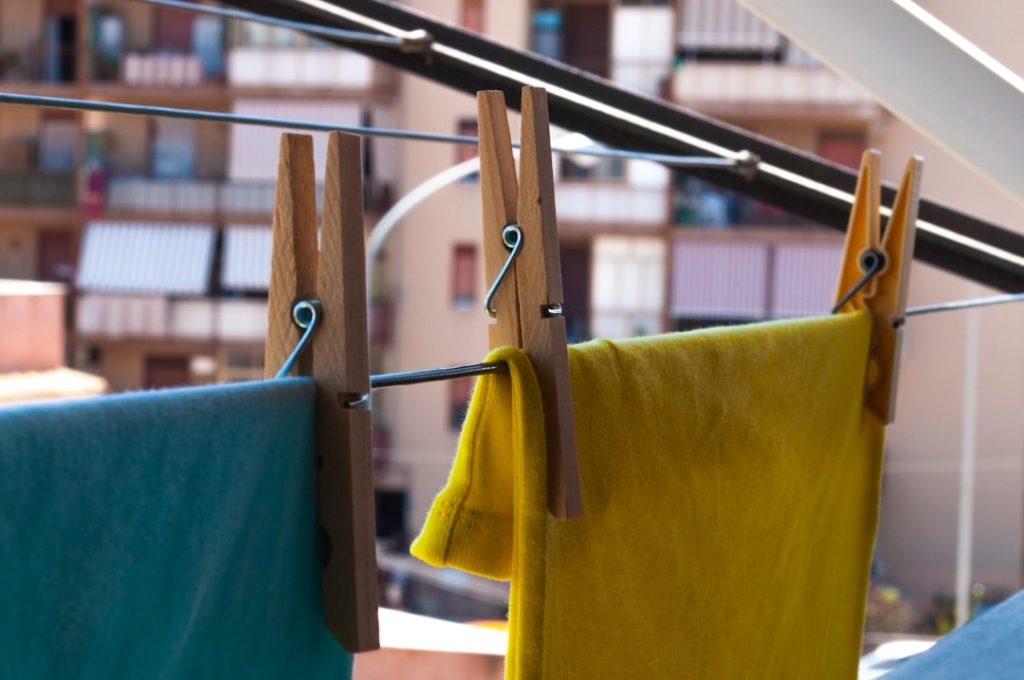
Air drying remains the gold standard for preventing shrinkage, but it requires planning and patience that many people aren’t willing to invest. I understand the convenience factor of machine drying, but the cost of replacing shrunken clothes often exceeds the minor inconvenience of hanging items to dry. For items you truly care about, air drying isn’t just safer—it’s often the only way to ensure they maintain their original fit and appearance over time.
When Prevention Fails and Recovery Options
Despite best efforts, shrinkage sometimes happens, and the response often determines whether the garment becomes completely unwearable or merely requires adjustment. Immediate action while the fabric is still damp offers the best chance of recovery, particularly with knit items that have some natural stretch. However, attempting to force severely shrunken items back to size often causes more damage than accepting the new dimensions.
Professional restoration services can sometimes achieve remarkable results, but they’re expensive and not always successful. In my opinion, the cost of professional shrinkage reversal rarely justifies the expense unless you’re dealing with particularly valuable or irreplaceable items. For most clothing, prevention remains far more cost-effective than attempted recovery.
The bottom line is that understanding fabric behavior helps set realistic expectations for clothing care and longevity. Natural fibers require more attention and gentler treatment than synthetic alternatives, but many people find the superior comfort and breathability worth the extra effort. The key is matching your care routine to your fabric choices rather than expecting all clothes to tolerate the same treatment.
For those serious about protecting their investment in quality clothing, having reliable tools to monitor and measure garments can help track changes over time and identify problematic care practices before they cause significant damage. A quality fabric measuring tape helps establish baseline measurements for valuable items. A practical example can be found here:
For those serious about protecting their investment in quality clothing, having reliable tools to monitor and measure garments can help track changes over time and identify problematic care practices before they cause significant damage. A quality fabric measuring tape helps establish baseline measurements for valuable items. A practical example can be found here:
As an Amazon Associate I earn from qualifying purchases.
Photo by Alessio Billeci on Unsplash
Photo by Barbare Kacharava on Unsplash
Photo by Kajetan Sumila on Unsplash